Archives: Speakers
Post Type Description
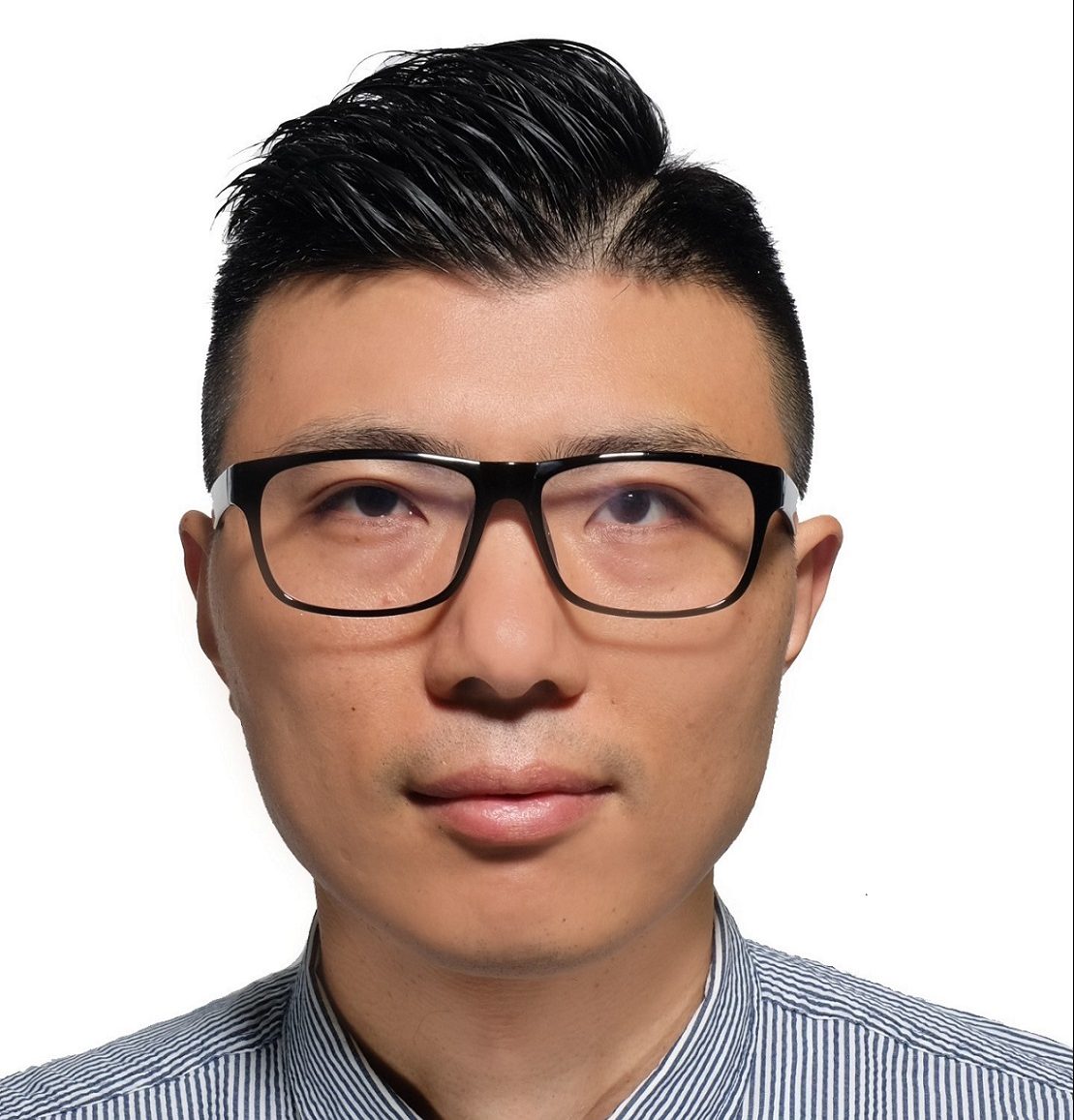
Ir Alan HU
@ Civil Engineering and Development Department, the Hong Kong Special Administrative Region of the People’s Republic of China
Brief Bio
Ir Alan YM HU is currently a senior civil engineer of the West Development Office of the Civil Engineering and Development Department. Since 2020, he has been involved in the design and construction of site formation and infrastructure works for Northern Metropolis projects, including Hung Shui Kiu/Ha Tsuen and Yuen Long South New Development Areas. He is currently responsible for supervising the improvement works at Tong Yan San Tsuen Interchange of Yuen Long Highways which involves substantial bridge structures and complex geotechnical works.
Abstract
Ultra-high performance concrete (UHPC) has been used for bridge construction in the Mainland. Overseas studies have shown that UHPC not only exhibits ultra-high compressive and tensile strength compared to normal concrete, but also has a significant high level of durability due to its discontinuous pore structure reducing liquid ingress. Given its successful application in infrastructure works worldwide as well as the Mainland, the Civil Engineering and Development Department (CEDD) and the Highways Department jointly established an UHPC Task Force in early 2025 to steer UHPC application through pilot projects, provide technical advice, and recommend the way forward for wider application of UHPC for civil engineering works in Hong Kong.
Under the direction of the UHPC Task Force, two CEDD’s bridge construction projects in the new development areas (NDA) in the Northern Metropolis have been selected for pilot application of UHPC. One is a vehicular bridge in Yuen Long South (YLS) NDA project and the other one is a footbridge in Fanling North (FLN) NDA project. An Expert Panel consisting of local, Mainland and international top-notch scholars for the YLS NDA project to offer guidance on design and construction of this first UHPC vehicular bridge in Hong Kong. In parallel, a site trial was conducted under FLN NDA project to identify the challenges and explore local good practice for in-situ concreting across the UHPC lifecycle, including storage, logistics, mixing, concreting, etc., under the local environment. On the basis of findings and experience gained from the pilot projects and selected meritorious elements in the Mainland and foreign standards, design guideline and material specifications for using UHPC in civil engineering works in Hong Kong have been established.
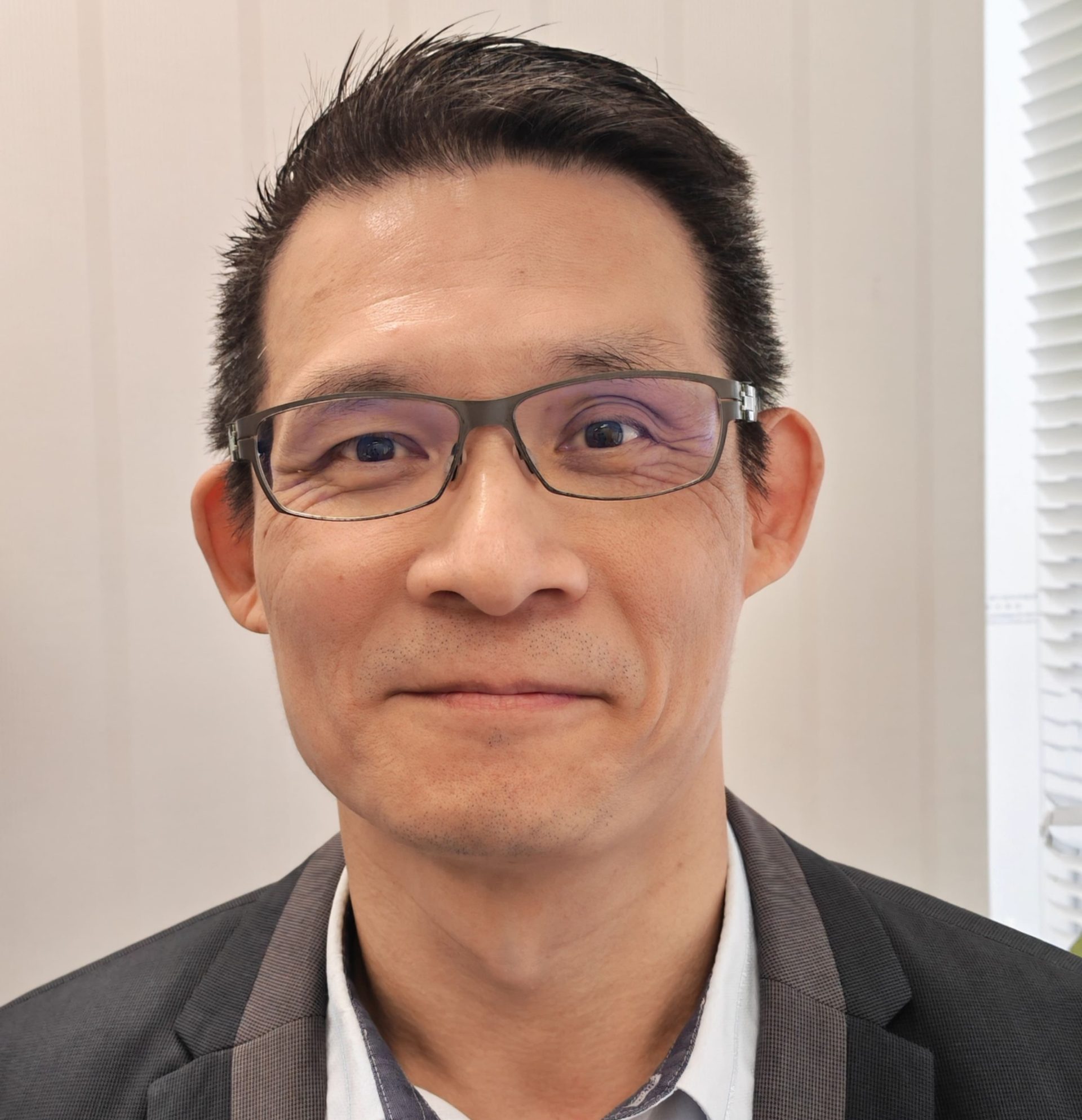
Ir Wallace TAM
@ Civil Engineering and Development Department, the Hong Kong Special Administrative Region of the People’s Republic of China
Brief Bio
Ir Wallace SM TAM is currently a senior civil engineer of the North Development Office of the Civil Engineering and Development Department. He has also been the Secretary of the Standing Committee on Concrete Technology of the Development Bureau. He joined the Public Works Central Laboratory (PWCL) in 2019 focusing on testing of construction materials, and research and development related to concrete technology in the PWCL. In 2019, he completed the study on the feasibility of mitigating ASR effect in concrete made with aggregates from local volcanic rocks. In 2020, he conducted a study under the auspice of SCCT on concreting in hot weather due to climate change. Since 2025, he has been involved in the design and construction of development of Fanling North New Development Area, Remaining Phase.
Abstract
Ultra-high performance concrete (UHPC) has been used for bridge construction in the Mainland. Overseas studies have shown that UHPC not only exhibits ultra-high compressive and tensile strength compared to normal concrete, but also has a significant high level of durability due to its discontinuous pore structure reducing liquid ingress. Given its successful application in infrastructure works worldwide as well as the Mainland, the Civil Engineering and Development Department (CEDD) and the Highways Department jointly established an UHPC Task Force in early 2025 to steer UHPC application through pilot projects, provide technical advice, and recommend the way forward for wider application of UHPC for civil engineering works in Hong Kong.
Under the direction of the UHPC Task Force, two CEDD’s bridge construction projects in the new development areas (NDA) in the Northern Metropolis have been selected for pilot application of UHPC. One is a vehicular bridge in Yuen Long South (YLS) NDA project and the other one is a footbridge in Fanling North (FLN) NDA project. An Expert Panel consisting of local, Mainland and international top-notch scholars for the YLS NDA project to offer guidance on design and construction of this first UHPC vehicular bridge in Hong Kong. In parallel, a site trial was conducted under FLN NDA project to identify the challenges and explore local good practice for in-situ concreting across the UHPC lifecycle, including storage, logistics, mixing, concreting, etc., under the local environment. On the basis of findings and experience gained from the pilot projects and selected meritorious elements in the Mainland and foreign standards, design guideline and material specifications for using UHPC in civil engineering works in Hong Kong have been established.

Dr Sindhu MENON
@ Regional Technical Director (R&D / QC) for ARDEX Group
Brief Bio
Sindhu Menon, PhD is a seasoned technical leader currently serving as the Regional Technical Director (R&D / QC) for ARDEX Group in Asia based in Singapore since 2024. She leads cross-functional teams in developing and optimizing advanced construction materials, with a particular focus on cementitious systems and resin chemistry. With a strong background in R&D and quality control, Sindhu plays a pivotal role in driving innovation, ensuring product excellence, and supporting strategic growth across the region.
Prior to joining the ARDEX Group, she has served in various positions within BASF in Germany, China and Singapore spanning R&D, Technical Services and Product Management for 13 years. She holds a PhD in Chemistry from the University of Illinois, Urbana-Champaign, USA and a post-doctoral stint with the University of Basel, Switzerland
Synergistic integration of resin chemistry to restore integrity of cementitious concrete
Concrete repair solutions are indispensable to ensuring the continued structural integrity, service life and durability across varies industries. During the operational phase, the concrete structures are subjected to harsh conditions like constant heavy loads, water ingress and saltwater / chemical exposure. Restoration efforts require tailored approach to rectification that balance safety, functionality and longevity with cost and compliance. Product design that draws on the synergy between resin and cement chemistry provides significant flexibility to industry practitioners. Incorporation of resin chemistry into repair solutions has multi-faceted effects – superior substrate adhesion, built-in movement accommodation in dynamic structures, resistance to freeze thaw cycles, chloride ingress and carbonation to name a few. A systems-based approach that combines related product solutions is the most effective way to leverage these benefits and is actively practiced in Southeast Asia by ARDEX Group with our Quicseal range. In the talk, I hope to share my excitement on this topic and look forward to an interesting exchange with you.
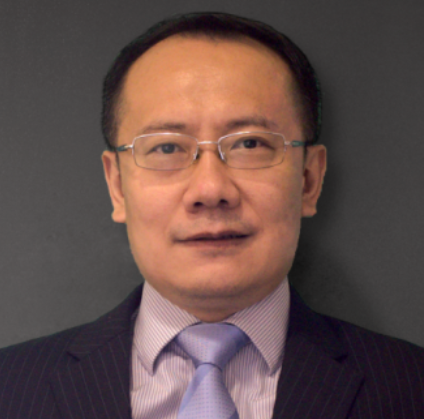
Prof Zhen LENG
@ Professor and Associate Director of the Research Centre for Resources Engineering
Brief Bio
Dr. Leng is a Professor and Associate Director of the Research Centre for Resources Engineering towards Carbon Neutrality at The Hong Kong Polytechnic University. His research mainly focuses on sustainable and smart pavement materials and technologies. He has served as the President of Academy of Pavement Science and Engineering (2023-2025), the President of ASCE Greater China Section (2021-2022), a Council Member of the Hong Kong Institution of Highways and Transportation, and the Chair of the Asphalt Pavement Discipline of World Transport Convention. He is also the EIC of Journal of Cleaner Materials, an Executive Editor of Journal of Cleaner Production, and an AE of ASCE Journal of Materials in Civil Engineering, and Journal of Transportation Engineering, Part B: Pavements.
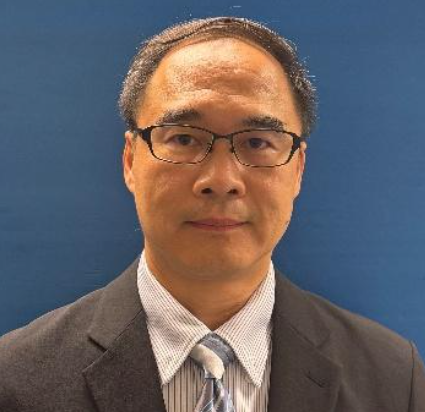
Mr. Vincent KWOK
@ Senior Engineer of the Research and Development Division of the Highways Department
Brief Bio
Ir Vincent KWOK obtained his first degree on civil and structural engineering in the University of Hong Kong in 1996 with further postgraduate study on the Master of Science in Infrastructure Project Management in 2009. He had been involved in various infrastructure projects including Central Reclamation Phase III and Wan Chai Development Phase II when working in the Civil Engineering and Development Department. He currently works as Senior Engineer of the Research and Development Division of the Highways Department overseeing development of bituminous pavement materials, and has been involved in various collaborative studies with tertiary institutes on bituminous pavement materials over the past 10 years.
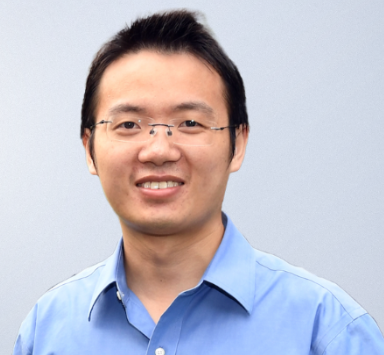
Ir Prof Hailong YE
@ Department of Civil Engineering, The University of Hong Kong, Pokfulam, Hong Kong, China
Brief Bio
Ir Professor Hailong Ye is the Leung Cheuk Tong Outstanding Young Professor and an Associate Professor of Structural Engineering at The University of Hong Kong (HKU). He holds a Ph.D. in civil engineering from The Pennsylvania State University, specializing in cement chemistry and sustainable concrete technology. Prof. Ye’ has authored more than 150 journal papers and holds 10 patents in this area. His work has been cited over 7,000 times and was recognized with prestigious awards, including the Natural Science Award from The Ministry of Education of China and the R&D Award of The HKIE Structural Division.
Abstract:
Modular integrated construction (MiC) is transforming the construction industry by enhancing productivity, safety, and sustainability. This study delved into the potential of using low-carbon lightweight structural and insulation concrete, including foamed glass-based ultra-high-performance concrete (UHPC), lightweight two-stage concrete composites, and cement-free GGBS-based foamed concrete, for enhancing the life-cycle sustainability of MiC buildings. Their impact on both the embodied and operational carbon emissions of MiC high-rise residential buildings was investigated, in which the integrated analysis of material-structure-building interactions was emphasized. The integrated analysis revealed that the use of lightweight concrete could reduce the life-cycle carbon emissions of residential buildings by at least ~7%. Without any use of Portland cement, the GGBS-based foamed concrete can achieve superior mechanical and thermal insulation properties, while lowering the embodied carbon emission by about 80%.

Ir Gregory SIEDERS
@ Technical Advisor for Civil Engineering Solutions, Tiger Engineered, Australia
Brief Bio
Previously Greg Sieders was the Regional Business Manager – Asia and Americas of Bluey Technologies and was with the company for close to 13 years.
Since completing his education, Greg has had a work history spanning more than 20 years in large civil engineering and building projects. Through his employment by major technology suppliers including BASF, EWS and Bluey, Greg has gained a wide range of product development and site application experience. His knowledge includes cement and resin based systems, corrosion protection and various types of ground support.
The combination of his experience and knowledge has prepared Greg to be instrumental in the development of new cable rock bolt designs for tunnels and also the increasingly prevalent use of GRP systems for permanent ground support applications. Greg worked closely with both in-house Bluey Engineers and external consultants to ensure new design solutions developed by Bluey can be adopted on site with practical application advantages.
Greg was instrumental in the growth of Bluey Technologies which has rapidly expanded to become a reputable construction material supplier throughout Australia, New Zealand and South-East Asia.
Abstract
Lightweight Cellular Grout (LCG) Solutions for Civil Engineering Applications
This presentation explores lightweight cellular grout (LCG) as a sustainable, cost-effective alternative to conventional construction materials. The focus is on three key applications:
- Retaining Walls for Slope Stabilization– Replacing no-fines concrete with LCG to reduce material usage, improve workability, and enhance drainage performance.
- Road Pavement Subbase– Utilizing LCG as a lightweight, stable subbase to minimize settlement and improve load distribution.
- Reinforced Earth Walls– Substituting compacted soil with LCG for faster installation, reduced labor requirements, and improved cost efficiency.
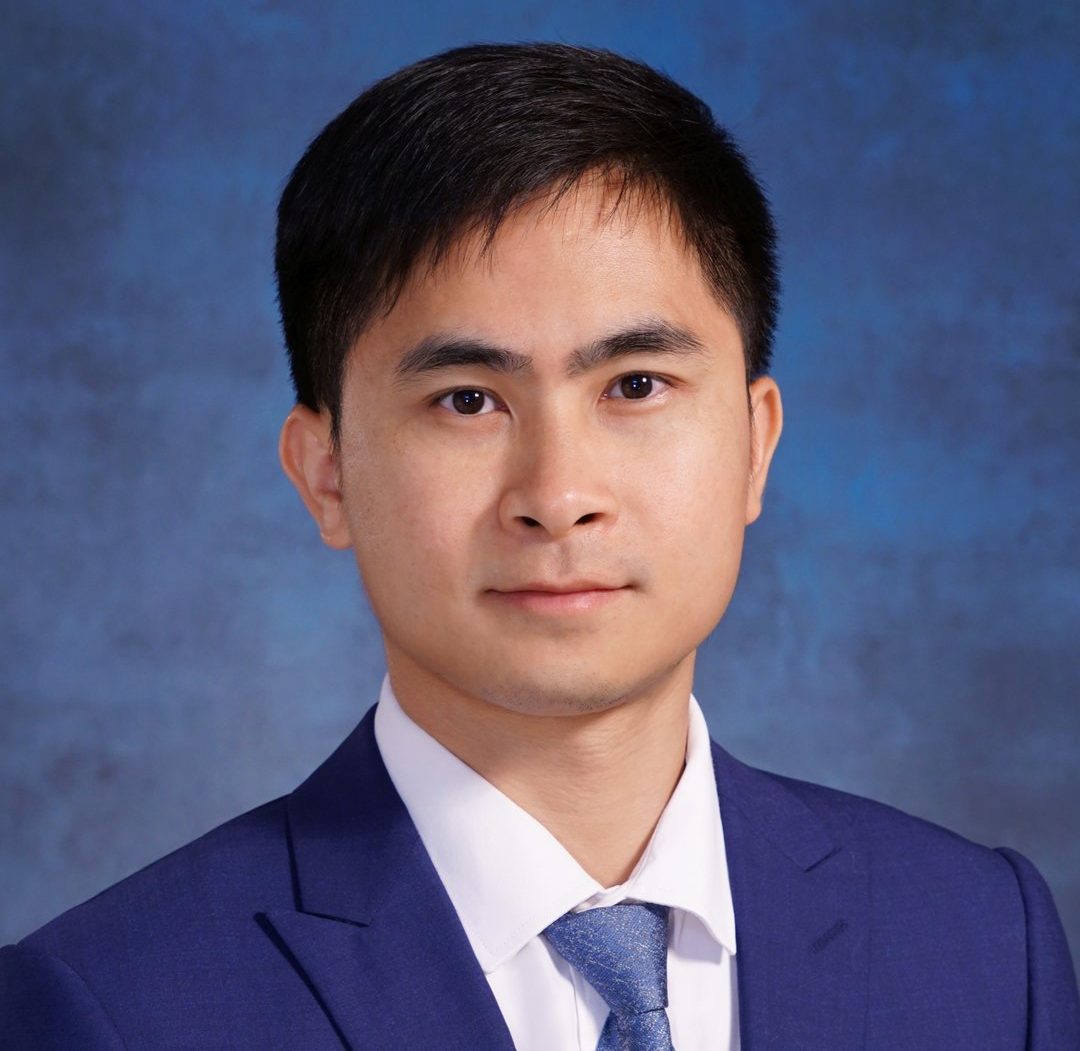
Dr. Xiangping Xian
@ Assistant Professor, Department of Architecture and Civil Engineering, City University of Hong Kong
Brief Bio
Dr. Xiangping XIAN started his research career at Shenzhen University, attained his Master degree and Ph.D. in Civil Engineering from McGill University in 2017 and 2021, respectively. In 2023, he was also one of the Marie Sklodowska-Curie Future Roads Fellow recipients from Cambridge University. Before joining the Department of Architecture and Civil Engineering (ACE) at CityU, he worked as a full-time postdoctoral researcher at McGill University for more than 2 years, supervised by Prof. Yixin SHAO. In the meantime, he was also a part-time postdoctoral Research Associate at the University of Toronto.
Dr. Xian’s research is mainly about producing green and functional cement-based products made from OPC, industrial waste (i.e., steel slag), municipal solid waste incineration (MSWI) residues, concrete waste, etc., through Carbon, Capture, Utilization, and Storage (CCUS), aiming to make contributions to both environmental protection and sustainable development. Beyond that, Dr. Xian is also interested in the engineering application of durable materials and so on.
Currently, he also serves as one Technical Committee for both Code for Practice for Structure Use of Concrete and Code for Practice for Dead and Imposed Loads under the Building Department in Hong Kong. He is also a Fellow of the Hong Kong Concrete Institute (HKCI) and three Technical Committees of Asian Concrete Federation (ACF).
Abstract
Concrete is the most commonly used man-made construction material. As two main components, ordinary Portland cement (OPC) has been used as the primary cementitious material, and aggregates have been applied as the major skeleton for decades. However, the cement and concrete industries contribute to more than 8 % of the total global CO2 emissions. On the other hand, Hong Kong is under enormous pressure to deal with its waste and achieve carbon-neutralization targets. Therefore, this presentation will briefly talk about applying carbonation to convert waste materials including recycled concrete waste, plastic waste, municipal solid waste incineration bottom ash, and steel slag into valuable construction materials, which can not only improve the green concrete properties but also capture CO2, making contributions to decarbonation, environmental protection, and sustainable development in Hong Kong, mainland China, and all over the world.
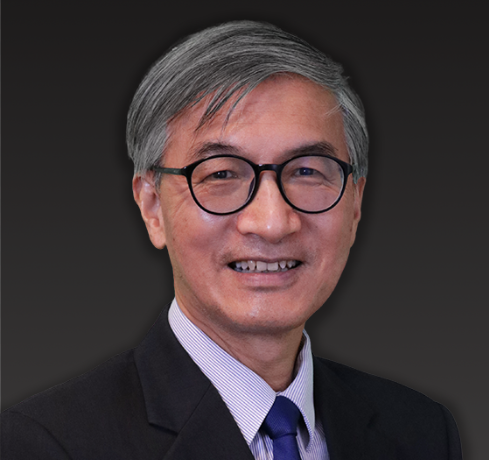
Ir Prof. Chi Sun POON
@ Department of Civil and Environmental Engineering, The Hong Kong Polytechnic University
Brief Bio
Ir Prof. Chi Sun POON is currently the Michael Anson Professor in Civil Engineering and Distinguished Research Professor in the Department of Civil and Environmental Engineering, and Director of Research Centre for Resources Engineering towards Carbon Neutrality, The Hong Kong Polytechnic University. He is also one of the Directors of PolyU-NAMI 3D Concrete Robotic Printing Research Centre. He was awarded the title of Changjiang Chair Professor by the Ministry of Education in 2017. Ir Prof. Poon specialises in the research and development of environmentally friendly construction materials, waste management, waste recycling technologies, concrete technologies and sustainable construction. He is a Fellow of the Hong Kong Institution of Engineers and the Hong Kong Concrete Institute, and has been serving actively in various professional and government bodies and committees. He is a pioneer in the research on valorizing different types of wastes as construction materials. His extensive publications in the area makes him one of the leading scholars in this field. He has a Google Scholar H-index of >150, and has been listed among the World’s Top 2% Scientists released by Stanford University and ranked 4th globally in the field of Building and Construction. Ir Prof. Poon has been an Editor of Construction and Building Materials from 2014 to 2024. He has also been an Editorial Board Member of Cement and Concrete Composites since 2017. He was awarded the State Technological Innovation Award 2017 (2nd Class).
Abstract
Modular Integrated Construction (MiC) is gaining increasing importance in Hong Kong. However, concrete MiC manufacturers and users suffer from low assembly efficiency and lifting difficulties due to the use of conventional normal-weight concrete. Traditional lightweight concrete is typically limited to non-load-bearing elements. Therefore, developing high-performance lightweight concrete (HPLC) capable of carrying structural loads is essential. Hong Kong PolyU has developed a low-carbon HPLC and successfully applied this technology to MiC projects in Hong Kong. The adoption of high-strength lightweight aggregates and supplementary cementitious materials contributes to reducing the embodied carbon of the HPLC. The combined use of ultra-high-performance concrete binder (UHPC) with lightweight materials has been demonstrated to be able to produce durable HPLC, characterised by low density, ultra-high strength, and superior durability. Apart from the structural grade HPLC, the PolyU has also developed high-performance foamed concrete with superhydrophobic properties, incorporating waste CO2 in the foaming process. CO2-foamed concrete can be used for non-structural elements, offering high strength and excellent thermal insulation.
Dr ZHOU Xiaojun
@ Associate Professor of Engineering, Xihua University
Brief Bio
Dr. Zhou Xiaojun is an Associate Professor of Engineering at Xihua University and a Sichuan Province Academic Leadership reserve candidate. He specializes in high-strength concrete materials and durability enhancement for mountainous environments. Dr. Zhou has directed eight major research projects funded by national and provincial foundations. His achievements include nine provincial/ministerial science and technology awards, ten national invention patents, two monographs, over 40 academic publications, and contributions to ten local standards.
Presentation Title: Advancing Urban Infrastructures Through Innovation in UHPC Technology
Abstract
Ultra-High Performance Concrete (UHPC), with its high strength, durability, and lightweight characteristics, is reshaping the future of urban infrastructure. This presentation will focus on how UHPC technology drives urban development through material innovation, and analyze the advantages of UHPC in terms of technological innovation, green environmental protection, and economic benefits through typical case studies. UHPC can significantly extends the lifespan of structures, reduces maintenance costs,and reduce interference with urban operations due to its rapid construction. It combines economy and sustainability, and is expected to become a key engine for the renewal and upgrading of urban infrastructure.